
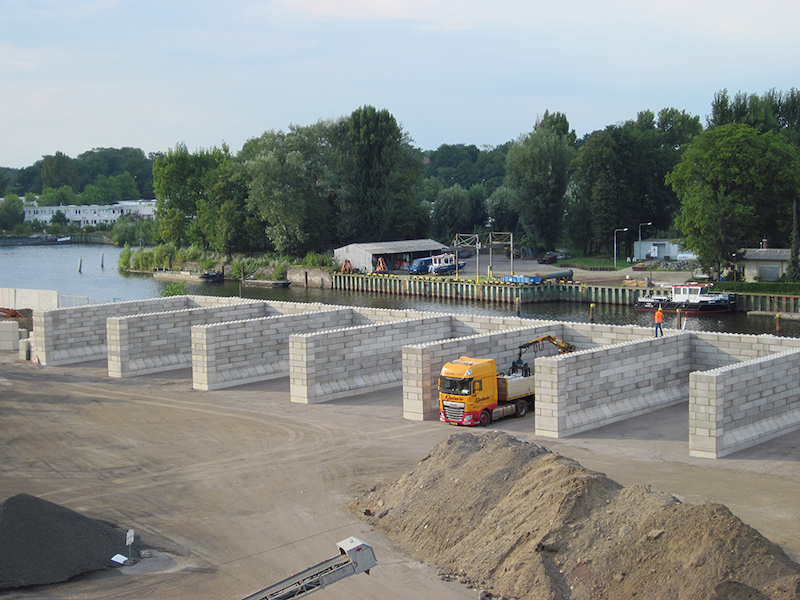

In recent years, the construction industry has been undergoing significant changes, driven by the need for more efficient, sustainable, and cost-effective building solutions. One such innovation that is gaining traction is the use of interlocking concrete blocks. These blocks are not only transforming the way structures are built but are also contributing to more environmentally friendly construction practices.
As you explore modern building techniques, understanding the evolution of construction practices for efficiency and sustainability becomes crucial. This is where interlocking concrete blocks come into play as a transformative solution. Designed to fit seamlessly together, much like pieces of a puzzle, they have simplified the installation process, significantly reducing time and labour costs compared to traditional methods. The use of these blocks presents an attractive option for both small and large-scale projects. A key player in this field is Betonblock LLC, which has been instrumental in advancing the use of these innovative building materials. By focusing on quality and innovation, they have cemented their reputation within the industry.
Interlocking Concrete Blocks
Interlocking concrete blocks are crafted with precision to ensure they connect without additional mortar or adhesives, making them a versatile choice in construction. Originating as a solution to address inefficiencies in traditional building materials, they have evolved through advancements in construction technology over decades. Historically, these blocks have provided an innovative approach to the building by reducing the need for skilled labour and speeding up project timelines. Their products cater to various construction needs, offering reliability and performance that meet rigorous standards.
The Benefits of Interlocking Concrete Blocks in Construction Projects
The ease of use and installation that interlocking concrete blocks provide cannot be overstated. By eliminating complex assembly processes, they dramatically lower labour costs while ensuring quick project completion. Additionally, their durability and strength stand out among other materials; made from high-quality concrete, these blocks offer superior structural integrity that supports long-term usage without compromising on safety or functionality.
Environmental considerations are increasingly influencing construction decisions today. Interlocking concrete block molds help reduce waste during construction due to their precise design and potential for recycling or reusing in future projects. This eco-friendly aspect aligns with global trends towards sustainable development, making them a smart choice for environmentally conscious builders.
Cost-effectiveness is another compelling benefit of using interlocking concrete blocks. The initial savings in materials and labour translate into significant financial advantages over time, offering an efficient way to manage budgets without sacrificing quality or performance.
Applications in Construction Projects
These versatile blocks are applicable across a diverse range of projects—from residential homes and commercial buildings to industrial facilities. Their adaptability makes them suitable for different architectural designs and structural requirements. Projects worldwide have demonstrated their effectiveness in providing robust foundations and walls that endure environmental challenges.
Residential constructions benefit from these blocks’ ability to create visually appealing and structurally sound homes quickly. In commercial settings, the speed of installation allows businesses to establish operations sooner, maximizing their return on investment. Industrial applications often require durable materials capable of withstanding heavy loads; here too, interlocking concrete blocks prove their worth.
Challenges and Considerations
While interlocking concrete blocks offer numerous advantages, certain challenges must be addressed when implementing them in construction projects. Choosing the right type involves evaluating factors such as load-bearing capacity and environmental conditions unique to each project site. Proper planning ensures that these aspects do not hinder successful outcomes.
However, with advances in technology continually improving block designs and manufacturing processes, many potential limitations are being overcome. Collaborating with experienced suppliers who provide guidance on selecting appropriate solutions can mitigate risks associated with incorrect application or misjudged requirements.
Future Trends in Construction with Interlocking Blocks
The future holds promising developments for those employing interlocking concrete blocks within their projects. As technology evolves further into automation and precision engineering techniques become mainstreamed across industries globally—construction included—we can anticipate even greater efficiency gains coupled with reduced costs associated with using these innovative building materials.
This trend towards integrating cutting-edge technologies reflects broader shifts towards smarter cities where resources are optimized efficiently throughout every phase—from planning through execution—and beyond into maintenance operations once structures become operational environments themselves.

