
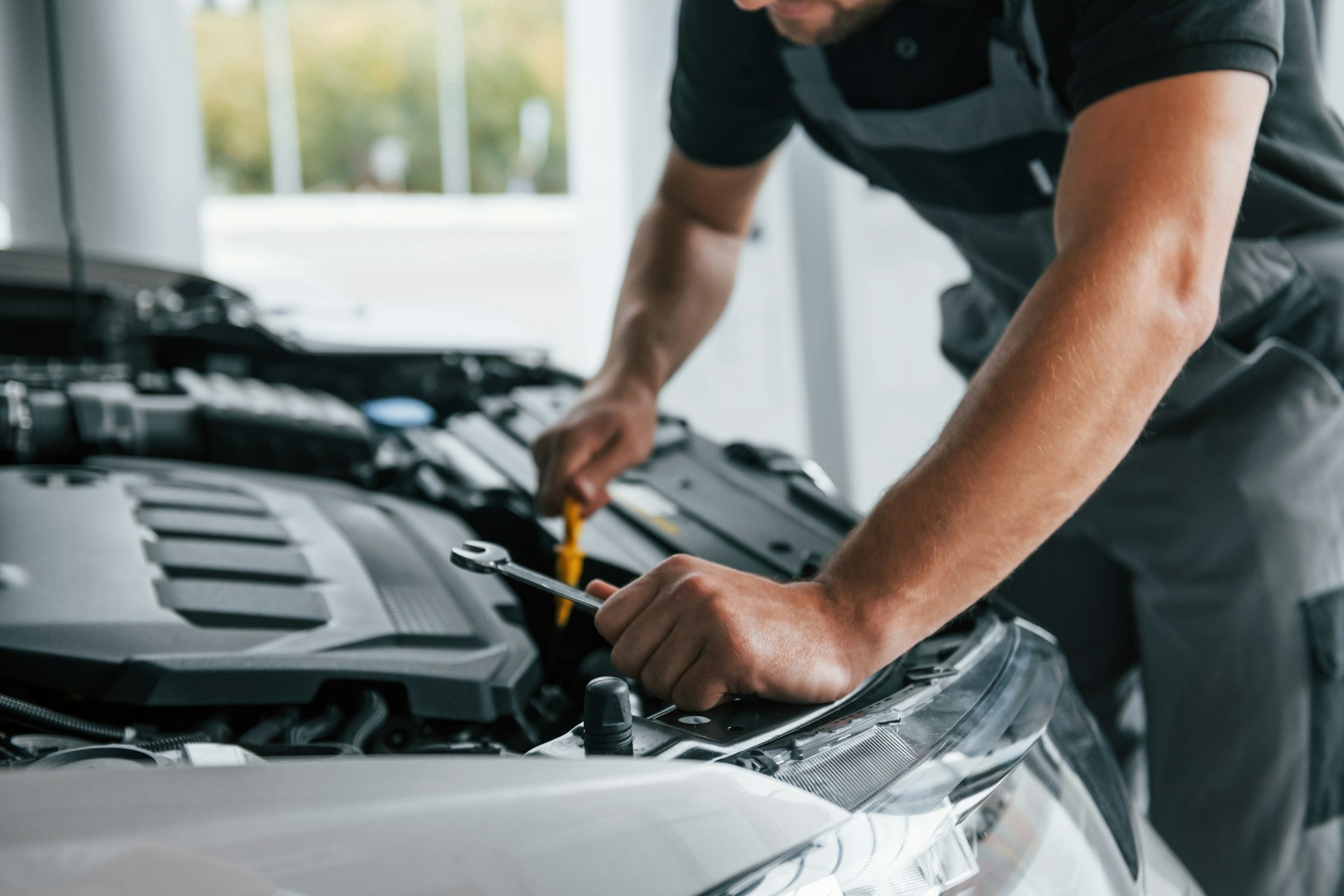

A brake fluid change might not be the most glamorous aspect of vehicle maintenance, but it is essential in making sure brakes work reliably under pressure. The brake fluid has a limited lifespan during which it deteriorates, and it also absorbs moisture, reducing its ability to transfer force efficiently. In addition, the risk of brake failure is increased. If a driver is proactive with their maintenance schedule and carries out a brake fluid change on time, this can keep the braking system efficient and, most importantly, safe on the road.
The Need for a Brake Fluid Change Explained
Brake fluid has hygroscopic properties—that is, it draws moisture from the air. As it absorbs water, the fluid’s boiling point decreases, which can cause vapour to form during intense braking. Because vapour is more compressible than liquid, it results in less pedal responsiveness and longer stopping distance. Therefore, a brake fluid change must be done regularly, normally every two years, or according to the car manufacturer’s instructions, to ensure that the hydraulic pressure is at its best and the braking remains efficient.
For drivers who want their vehicle maintained by skilled professionals, it makes sense to go to a trusted service centre. If you want to be sure that your brake fluid is changed with accuracy and care, then get your brake fluid change done right at Dexel Tyre & Auto Care. Their technicians use approved fluid grades and follow manufacturer guidelines, helping to restore brake feel and maintain optimal performance.
When and How Often to Schedule a Brake Fluid Change?
The best time to carry out a brake fluid change is as specified in your vehicle’s service schedule or owner’s manual. Even though there may be no visible problems present, the fluid can still get old and should therefore be replaced because it can absorb moisture. The signs indicating a brake service is needed before the scheduled interval include a soft or spongy brake pedal, increased pedal travel, or a warning light on the dashboard. If such symptoms are ignored, this can not only lead to reduced braking efficiency but also to costly repairs of corroded components. Regular checks and brake fluid changes are preventative measures that support long-term reliability.
Conclusion
In short, a brake fluid change is not a routine job, but rather a safety necessity. Old or dirty fluid compromises brake performance, puts the driver and passengers at risk, and can even lead to the braking system being damaged. Keeping new and good-quality brake fluid guarantees steady stopping power and also keeps the parts from wearing out quickly. Remember, for safe and trouble-free stopping, never forget to plan a proper brake fluid change at the intervals recommended by your car’s manufacturer. Your safety and that of the people sharing the road will be safeguarded as a result.

